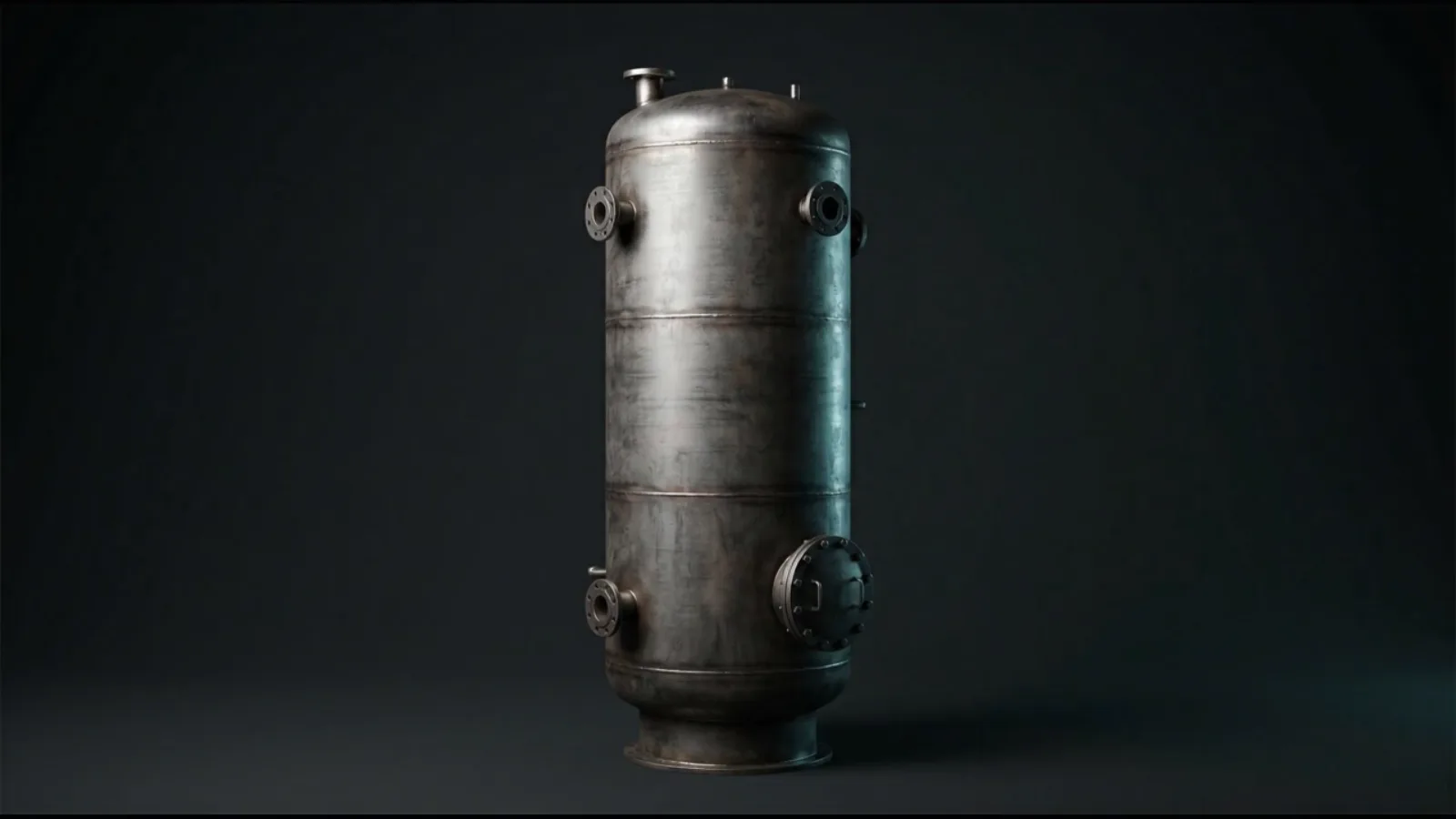
Pressure vessels
API 510: pressure vessel inspection, explained
API 510 is the American Petroleum Institute's in-service inspection code for pressure vessels and the pressure-relieving devices protecting them. It covers inspection, rating, repair and alteration of vessels once they are in service, and it assumes the vessel was built to a recognized construction code such as ASME Section VIII. It does not govern new construction, and it excludes several classes of equipment by design, including vessels on movable structures and certain low-pressure and small-volume vessels, so the exclusion list in the scope section is the first thing to check.
What the standard requires
Inspection intervals
The internal or on-stream inspection interval may not exceed half the remaining life or the maximum the code sets, whichever is less, unless a risk-based assessment under API 580 justifies a different interval. External inspections run on their own, shorter cycle.
Corrosion rate
Rate is established from thickness readings at the same locations over time. Both the long-term rate (from the first reading) and the short-term rate (from the most recent pair) are computed, and the one that gives the shorter life governs.
Remaining life
Remaining life is the measured thickness minus the required minimum, divided by the governing corrosion rate. The result sets the next inspection date and has to be recomputed after every thickness survey.
Minimum thickness and MAWP
Required minimum thickness comes from the construction code formula for the component. MAWP at the current, corroded thickness is recalculated when the vessel is rerated or when thickness has dropped enough to matter, and it must never exceed the original design basis.
Inspector qualification
An authorized pressure vessel inspector under API 510 certification, or an equivalent the jurisdiction accepts, is responsible for the inspection and for accepting the record. Examiners who take readings work under that inspector's direction.
Records and documentation
The owner-user keeps permanent records for each vessel: construction and design data, inspection history, thickness data, repairs and alterations, and the current rerating basis. Those records have to be retrievable for the life of the vessel.
What the record must carry
- Vessel identification, construction code, design pressure and temperature, and the nameplate data
- Each thickness reading with its CML location, date, method, gauge and technician
- Required minimum thickness with the code formula it came from
- Long-term rate, short-term rate, and which one governs
- Remaining life and the resulting next inspection due date
- Current MAWP at measured thickness and any rerating basis
- Repairs and alterations with the authorization behind them
- The authorized inspector's name, certification and acceptance signature
How intelliSPEC handles it
intelliINTEGRITY holds the corrosion summary the code asks for: short-term, long-term and maximum rate with the maximum governing, and remaining life computed as thickness minus tMin over rate. tMin for a vessel routes to ASME VIII Div 1 and returns the code and formula with the number, MAWP at current thickness sits beside it, and the API 510 interval is capped at half remaining life. Each CML point carries 64 fields so the reading, its method and its gauge stay with the number, and every value change lands in a hash-chained audit trail with the inspector's per-signer signature.
Answers
API 510 questions
How often does API 510 require a pressure vessel to be inspected?
The internal or on-stream inspection interval is the lesser of half the remaining life or the maximum the code sets, unless an RBI assessment under API 580 supports a different interval. External inspections run on a shorter, fixed cycle. Remaining life has to be recomputed after each thickness survey, so the interval can shorten.
Which corrosion rate governs under API 510, long-term or short-term?
Both are computed and the one that produces the shorter remaining life governs. Long-term uses the original or earliest reading, short-term uses the two most recent readings at the same CML. Comparing them is how a change in service shows up before it becomes a finding.
What does an API 510 inspection record need to carry to be defensible?
The record needs the design basis, every thickness reading with its location and method, the required minimum thickness and the formula behind it, the governing corrosion rate, remaining life, current MAWP, and the authorized inspector's acceptance. A number without the formula or the reading behind it does not survive an audit.
Does API 510 apply to new vessels?
No. API 510 starts when the vessel enters service. New construction follows the construction code, usually ASME Section VIII, and the construction records become the baseline the API 510 program measures against.
Can the API 510 interval be extended with RBI?
Yes. A risk-based assessment under API 580 can justify an interval longer or shorter than the half-life rule, provided the assessment is documented and reviewed at the frequency the code requires. The RBI record then becomes part of the vessel's permanent file.