
0101 / 08
Fireproofing condition register
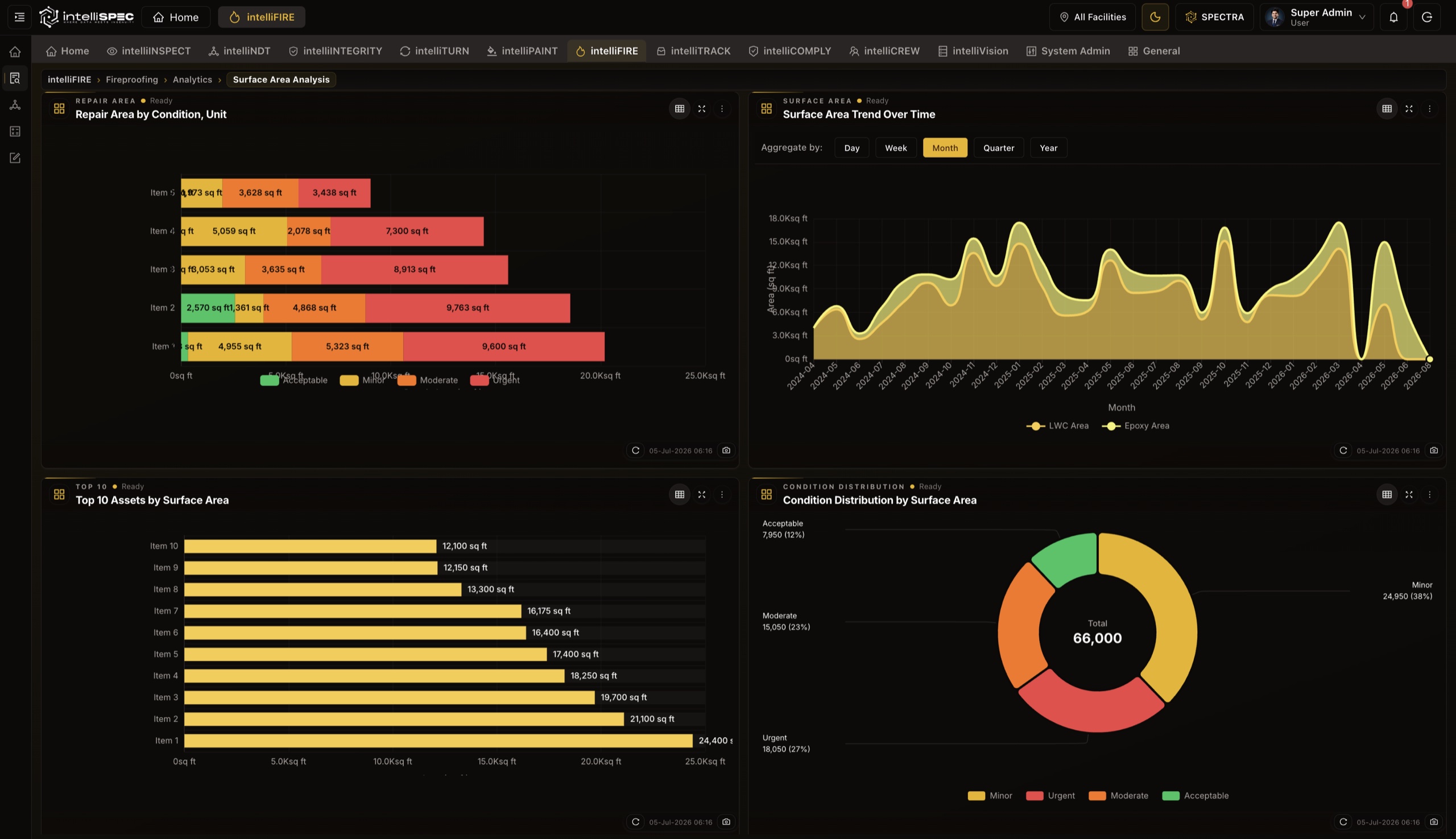
Every fireproofed asset holds its type, rating, thickness, and grade, live on the twin.
Passive Fire Protection
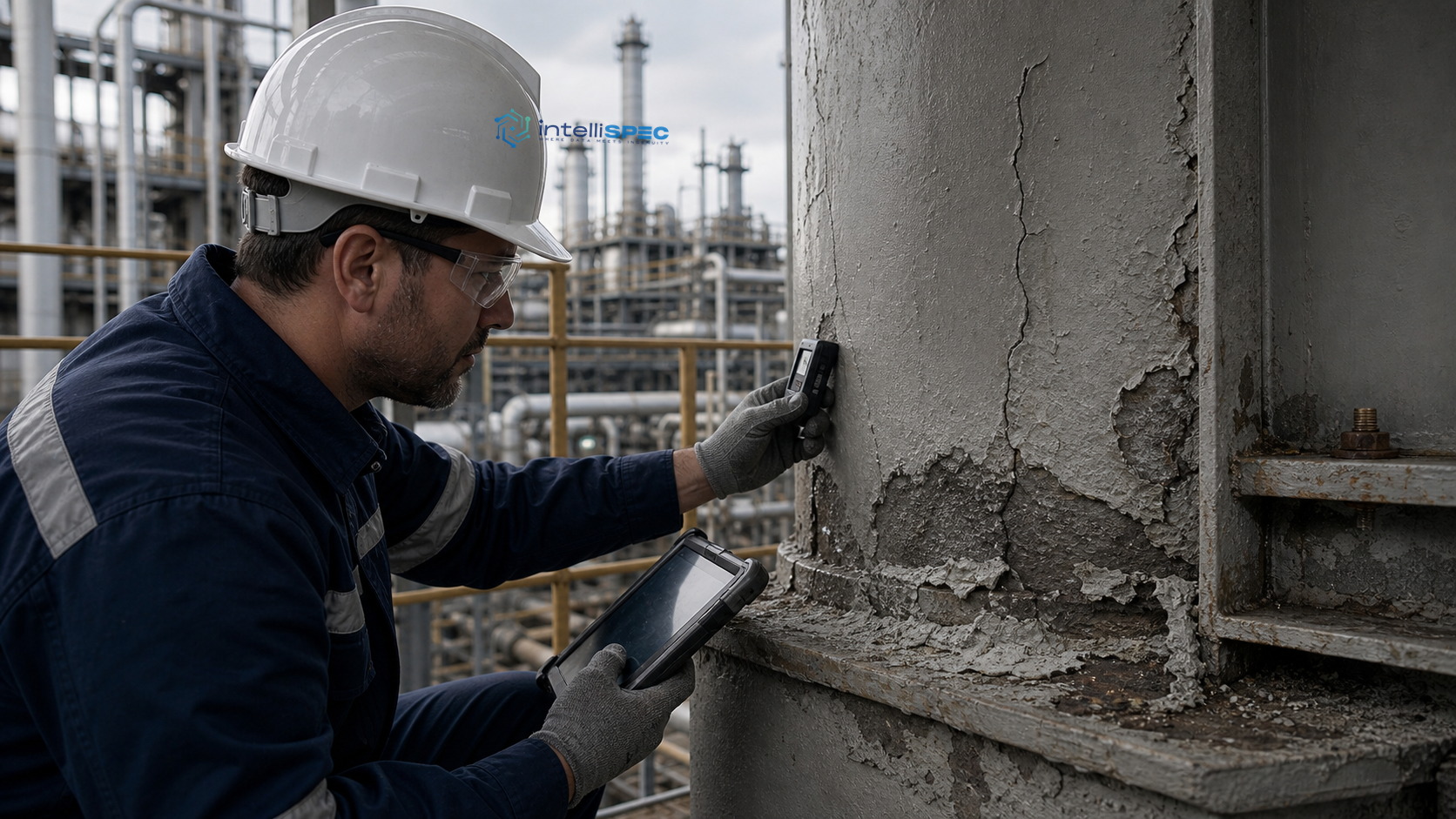
For the engineer who owns passive fire protection. Grade each fireproofed zone offline, screen for the corrosion the coating hides, and read condition on the twin. The register ranks by fire consequence.
Built in, not bolted on
Steel, fireproofing, and rating: each zone graded against the structure it keeps standing, screened for the corrosion the coating hides.
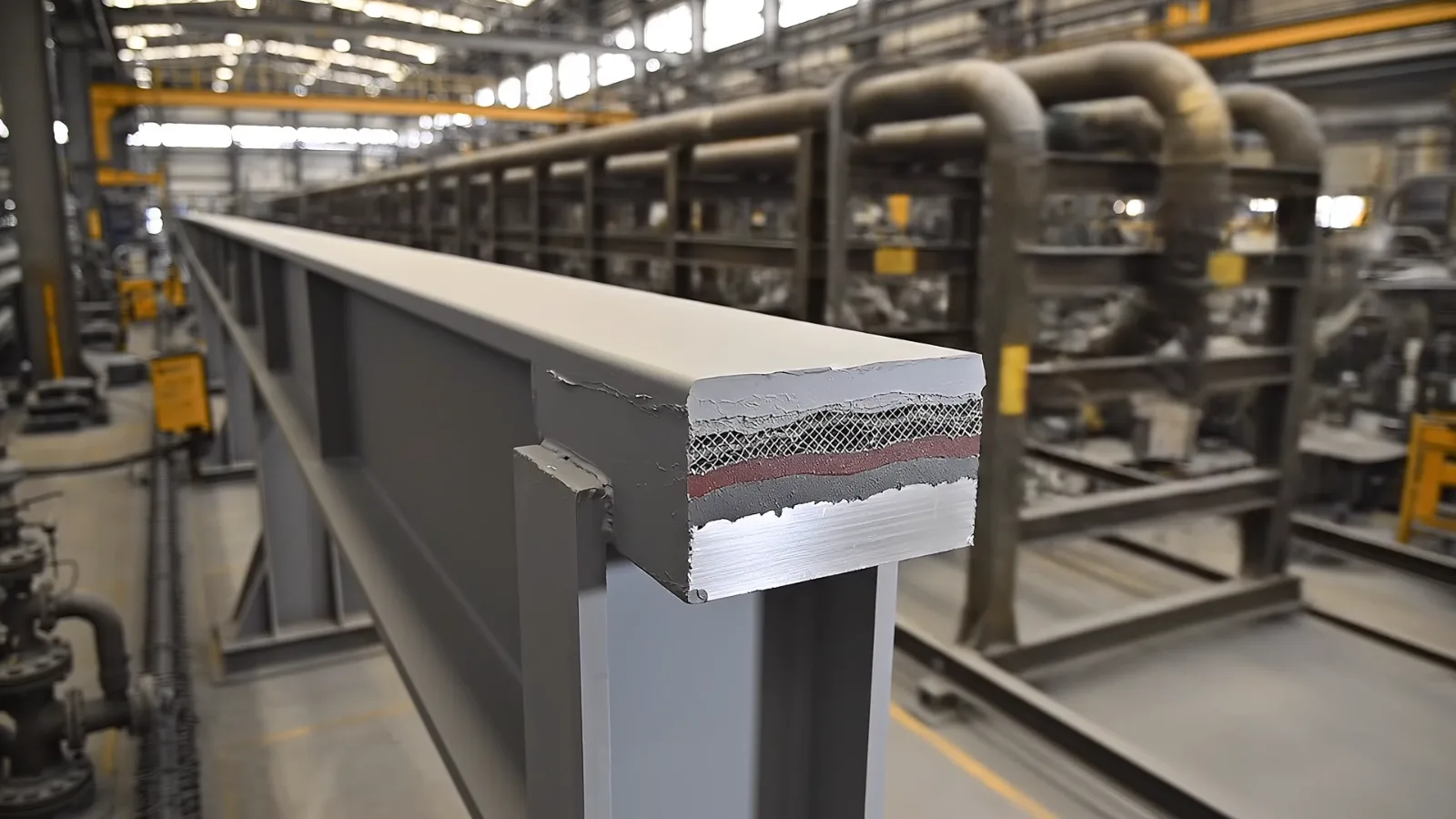
The fireproofing
Cementitious or intumescent, graded for cracking, spalling, and CUF.
The rating, proven
Required thickness and fire rating, current on the 3D twin.
The steel it protects
The skirt, support, or column the zone keeps standing.
Capabilities
Every fireproofed asset holds its type, rating, thickness, and grade, live on the twin.

Grade the defect, rate the severity, cite the code, and attach the photo before you leave the unit.

Budget reaches the skirt that holds the tower before the cosmetic chip.
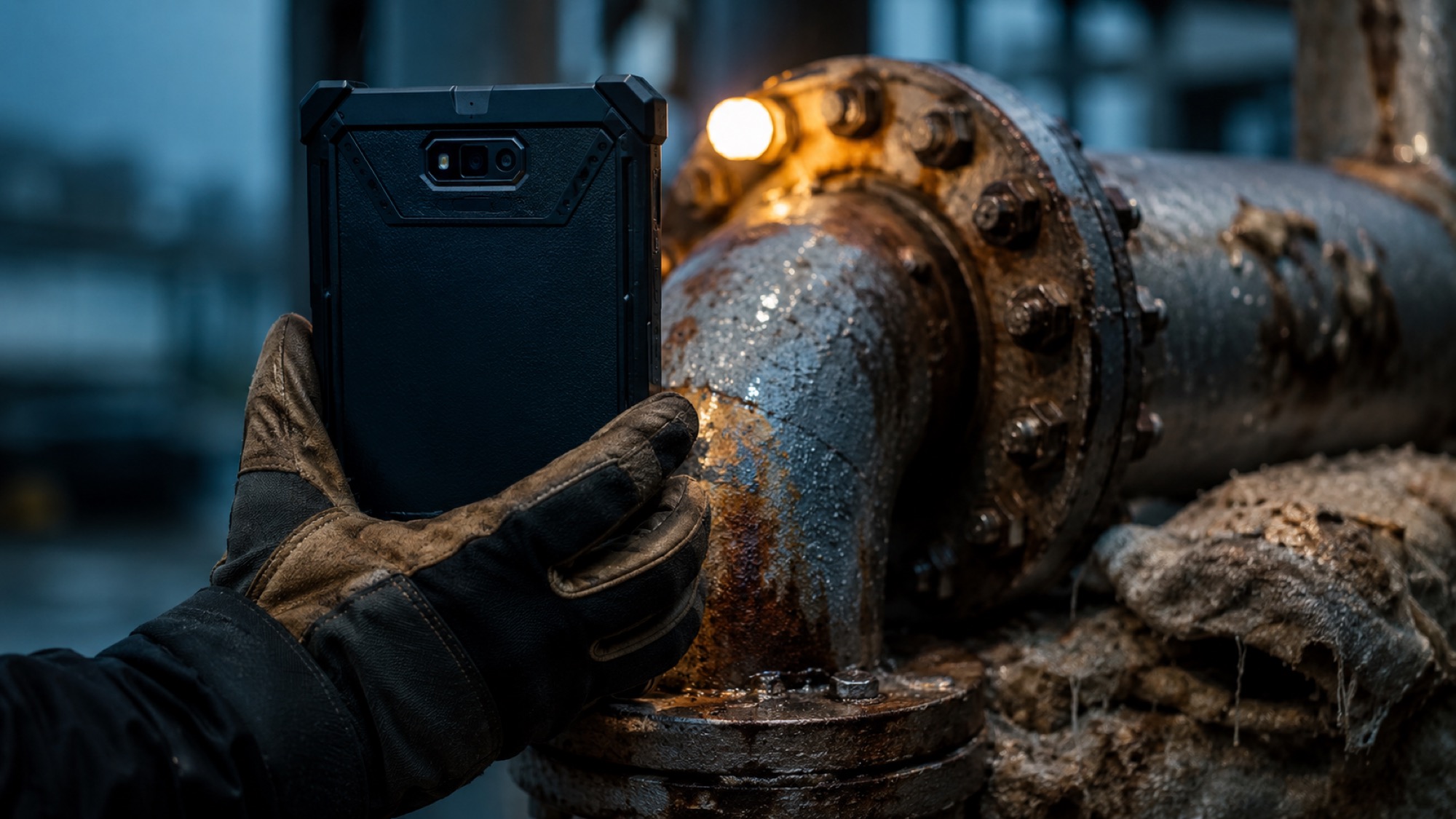
Pulsed-eddy-current and moisture screening read the steel through fireproofing, so CUF is mapped, not found at a leak.

Fireproofing condition maps onto real structure, every zone tied to what it protects.

Drone and thermal imagery cover elevated fireproofing fast, flagged into the same register.

Frequency follows exposure and consequence, so high-consequence zones surface first.

Ratings, dates, grades, and closures export on demand for OSHA, the insurer, and an API 2218 review.
Grounded by design
For the fire-protection engineer
Cracking, spalling, and CUF scored against the steel each zone keeps standing.
Required thickness and fire rating stay current on the 3D twin.
Screen for corrosion under fireproofing before it becomes a structural loss.
Real screens from the platform, not mockups
Proof
Explore
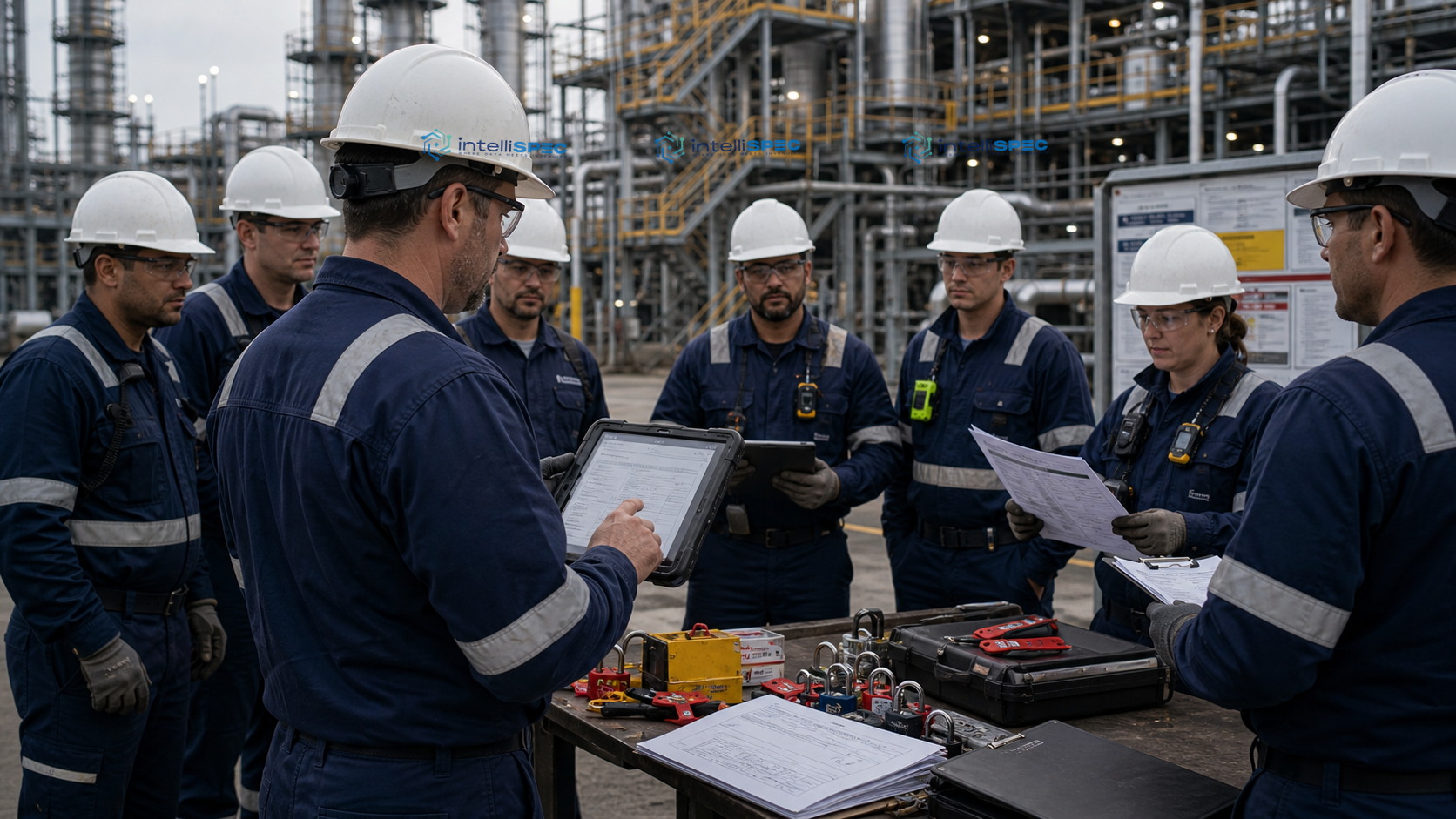
When the question comes, the record is already there: permits, JSAs, LOTO, incidents, defensible by default.
Explore→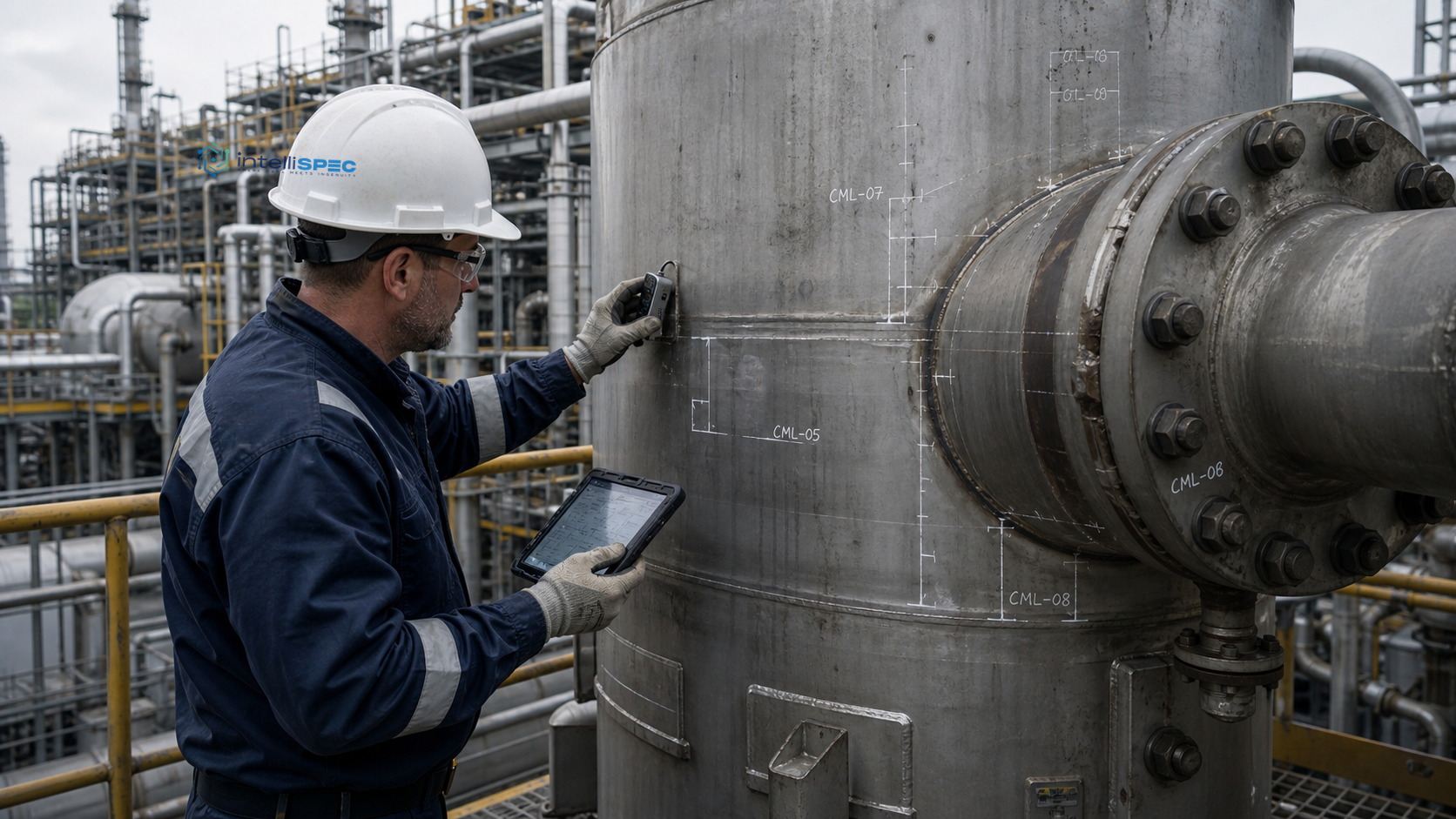
Know what can keep running and what cannot, the moment readings land: RBI and fitness-for-service to API 579.
Explore→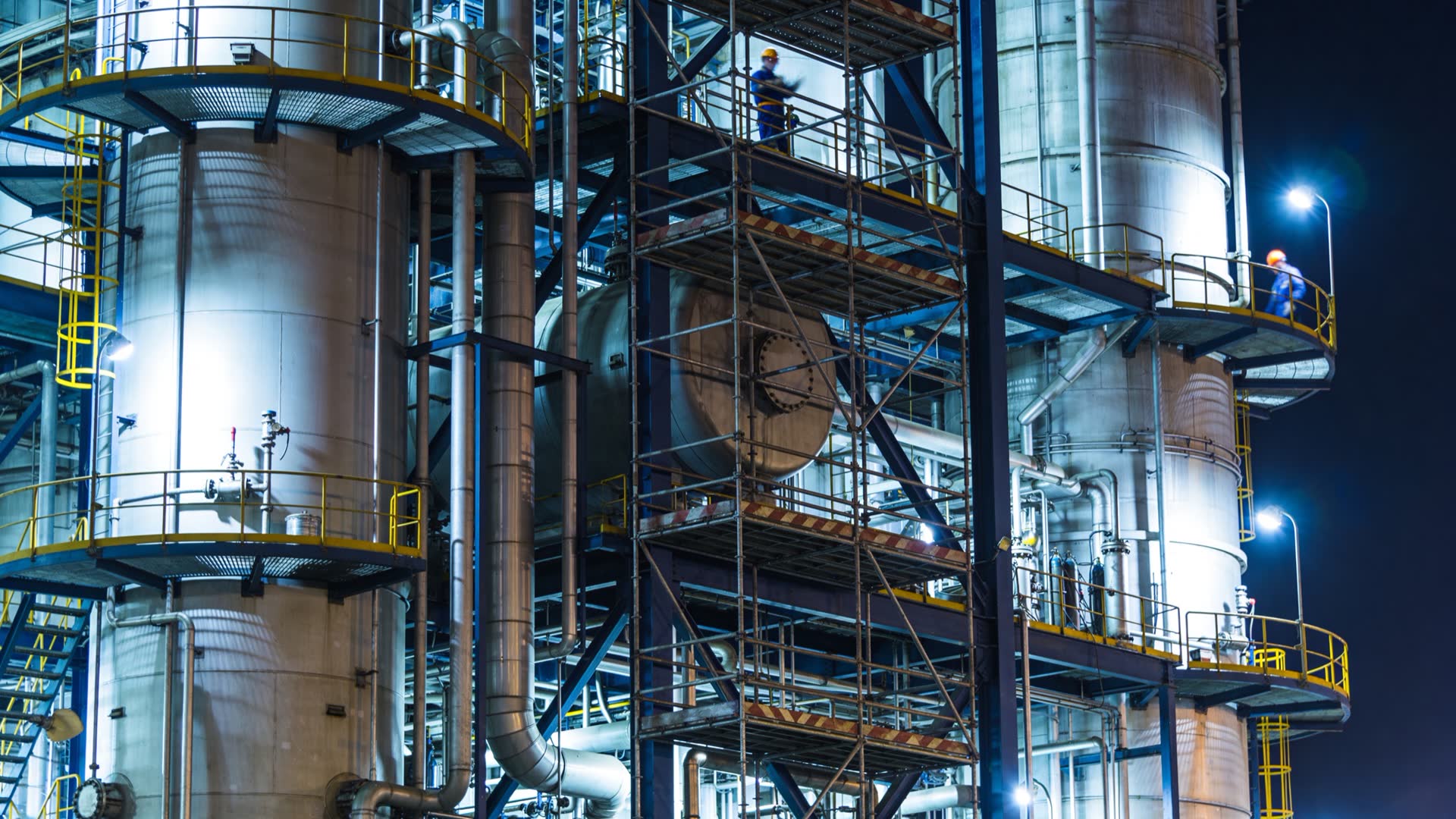
Your turnaround lands on the day the plan promised: scope, schedule, cost, and gate reviews on one thread.
Explore→Answers
No. intelliFIRE is the passive fire protection program layer above them: it owns the fireproofing condition register, the ratings, and the closure status the CMMS and the contractor PDF were never built to hold.
intelliINSPECT walks the unit and visually flags fireproofing damage. intelliFIRE owns the fireproofing itself: it grades the zone, checks the rating, ranks it by fire consequence, and drives it to closed. The flag comes in; the program lives here.
Yes, as integration. Pulsed-eddy-current and moisture screening read steel condition through fireproofing without stripping; intelliFIRE maps that CUF risk to the zone so stripping is targeted, not blanket. The readings come from your screening tools.
API 2218 as the anchor practice, the hydrocarbon and jet-fire rating regime (UL 1709, ASTM E119, ISO 22899), and NFPA and AMPP where they apply, alongside OSHA PSM.
Yes. The fireproofing assessment is mobile and offline-capable, and syncs when connectivity returns.
Yes. Load the plant model and read condition mapped onto real structure, every zone tied to the asset and to what it protects.
High-consequence repairs route into intelliTURN scope, ranked by fire consequence and code interval, so the work that holds the tower is scoped before the cosmetic chip.
See the failure before it happens. Prove the work after it is done.
Your asset class, configured live. No slides.