A corrosion rate you can defend
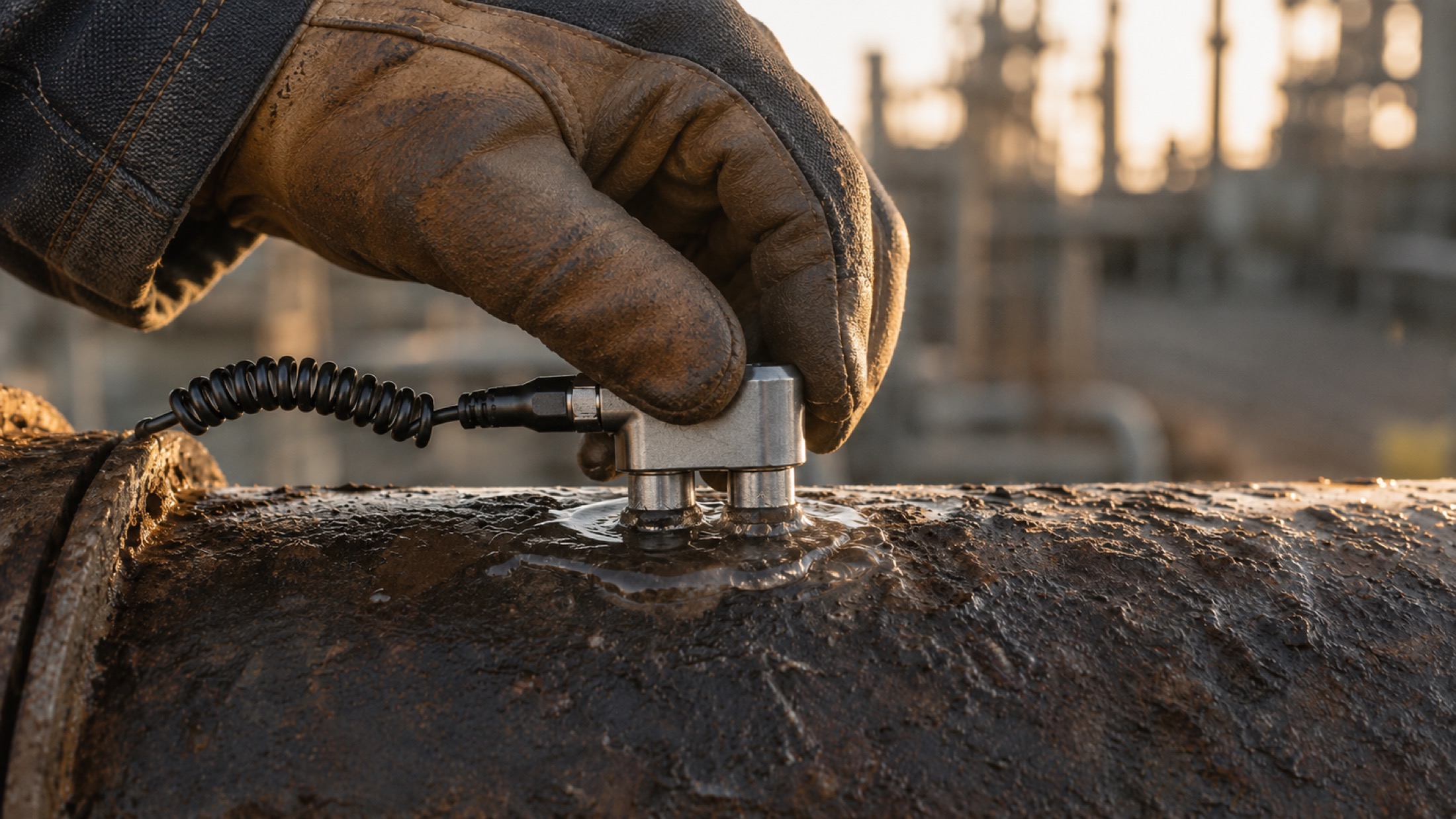
intelliNDT captures UT thickness at every CML, computes short and long term corrosion rates, and projects remaining life the way API 570 and API 653 define it.
Industry
intelliSPEC gives chief inspectors and integrity engineers one live record from CML reading to run decision, across refineries, terminals, pipelines, and offshore assets worldwide.
Fixed equipment thread
The rate, the risk, the window, the audit. Each one is only as strong as the record behind it.
The integrity thread
The rate, the risk, the window, the audit. Each one is only as strong as the record behind it.
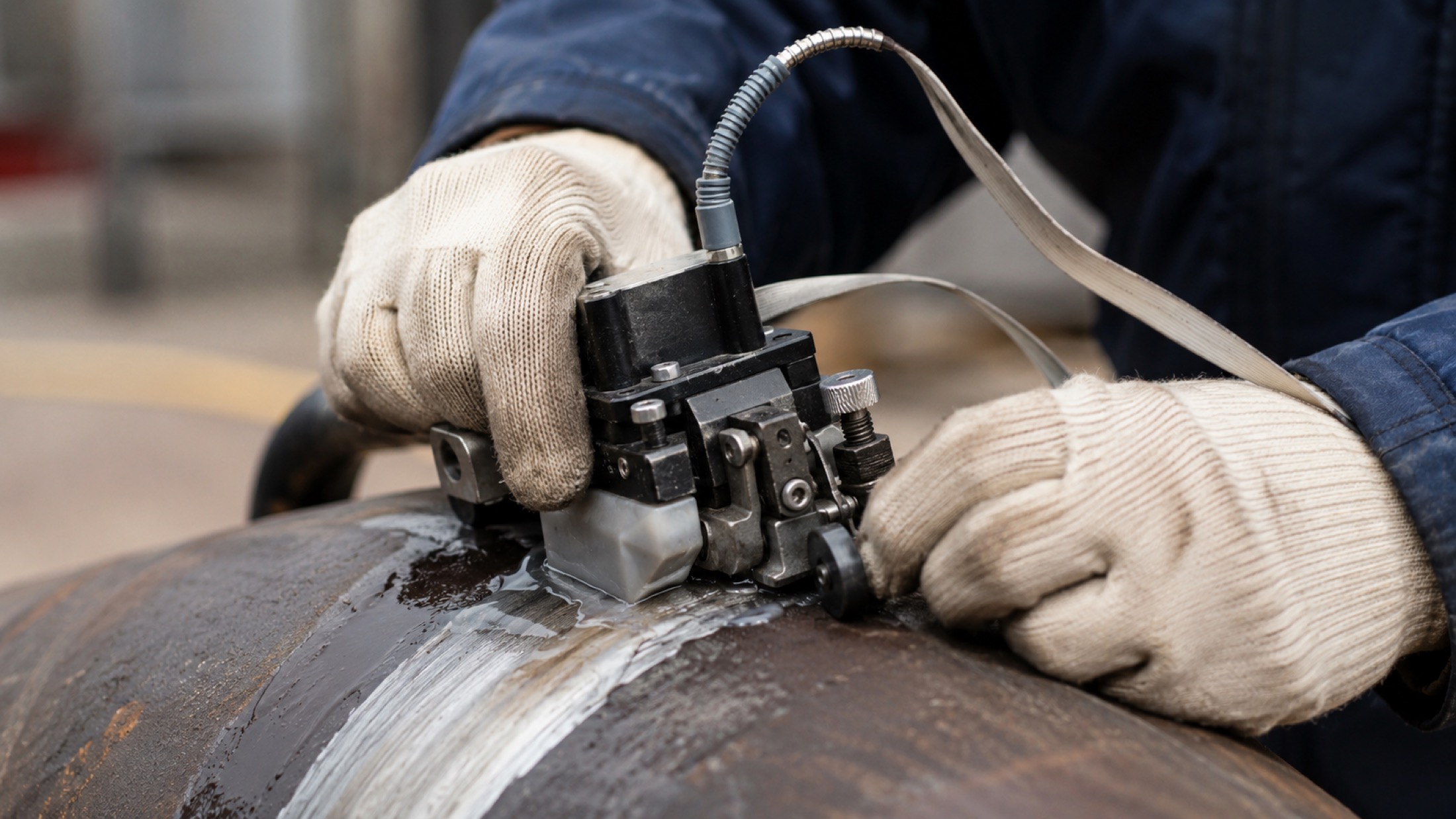
intelliNDT captures UT thickness at every CML, computes short and long term corrosion rates, and projects remaining life the way API 570 and API 653 define it.
intelliINTEGRITY documents RBI to API 580 and 581 and screens fitness for service to API 579, so run, repair, or replace is a recorded decision, not a hallway one.
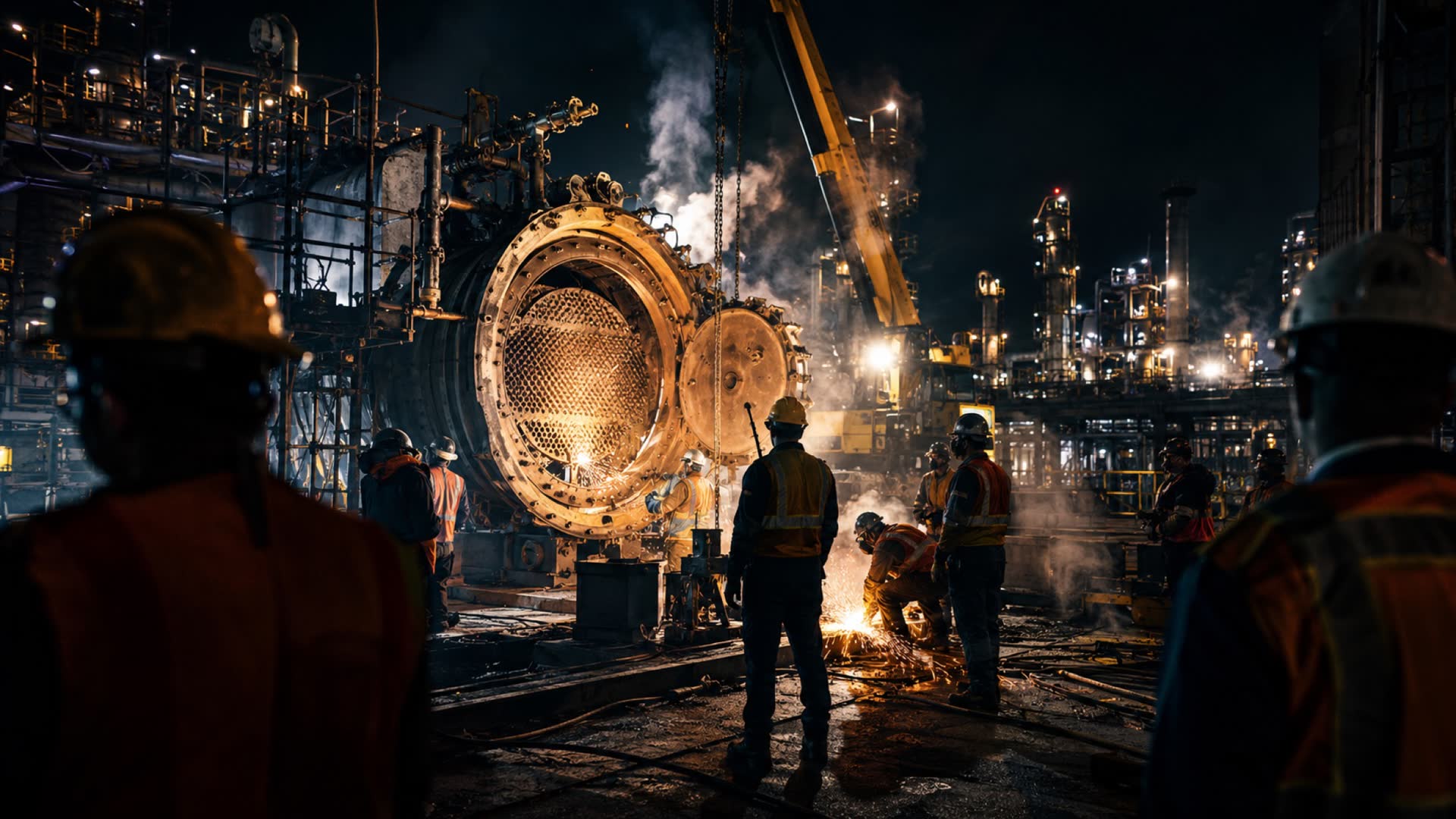
intelliTURN ties scope to inspection findings and holds gate decisions, so discovery work surfaces before the unit comes down, not while it is down.
intelliCOMPLY holds permits, JSA, LOTO, and inspection sign-offs against OSHA PSM 1910.119, ready to export the day the auditor asks.
Field to audit
A single UT shot on a crude overhead line, traced all the way to the audit table.
An inspector shoots UT at a CML on the crude overhead line, no signal, gloves on. intelliINSPECT and intelliNDT hold the reading, photo, and location offline, then sync without retyping.
The new reading updates the corrosion rate and remaining life. intelliINTEGRITY reruns the API 580 risk ranking, and if the circuit crosses half life it lands on the next window with the evidence attached.
When the API 570 external or the PSM audit arrives, the reading, the rate, the decision, and the signature export as one timestamped thread. Nothing gets reconstructed from memory.
Proof path
We will trace it from CML reading to run decision in one working session.
API 510, 570, and 653 inspections captured against the code, with EN 13445 pressure equipment on the same thread.
intelliINTEGRITY documents RBI to API 580 and 581 and fitness-for-service screening to API 579.
intelliCOMPLY assembles the OSHA PSM 1910.119 mechanical integrity trail as the work happens, not after it.
Answers
Yes. Vessel, piping, and tank inspections are captured as structured records with CMLs, thickness readings, corrosion rates, and next intervals against API 510, 570, and 653. Operators under European codes run EN 13445 equipment on the same thread.
intelliINTEGRITY documents RBI to the API 580 methodology with the API 581 quantitative basis, and live thickness data feeds the risk ranking. The determinations stay with your engineers. The platform keeps the inputs, the ranking, and the sign-off on one record.
Yes. intelliNDT computes short and long term corrosion rates from CML history and projects remaining life and next inspection dates the way API 570 defines them, per circuit and per CML.
Most refineries run an inspection data system for fixed equipment plus separate tools for RBI, turnarounds, and PSM records. intelliSPEC runs those on one asset record, so a thickness reading, a risk rank, and an audit export all come from the same thread.
Yes. Corrosion under insulation scopes run as intelliINSPECT campaigns informed by API RP 583, with coating and insulation condition captured through intelliPAINT so susceptible circuits carry their own evidence trail.
intelliCOMPLY holds permits, JSA, LOTO, inspections, and corrective actions with user, timestamp, and signature, so the evidence a 1910.119 audit requests exports as one query. It organizes the trail. The compliance determination stays yours.
Yes. The same record runs offline on platforms and remote sites and syncs when signal returns, aligning with DNV inspection practice offshore and with ISO 55000 where operators run a formal asset management system.