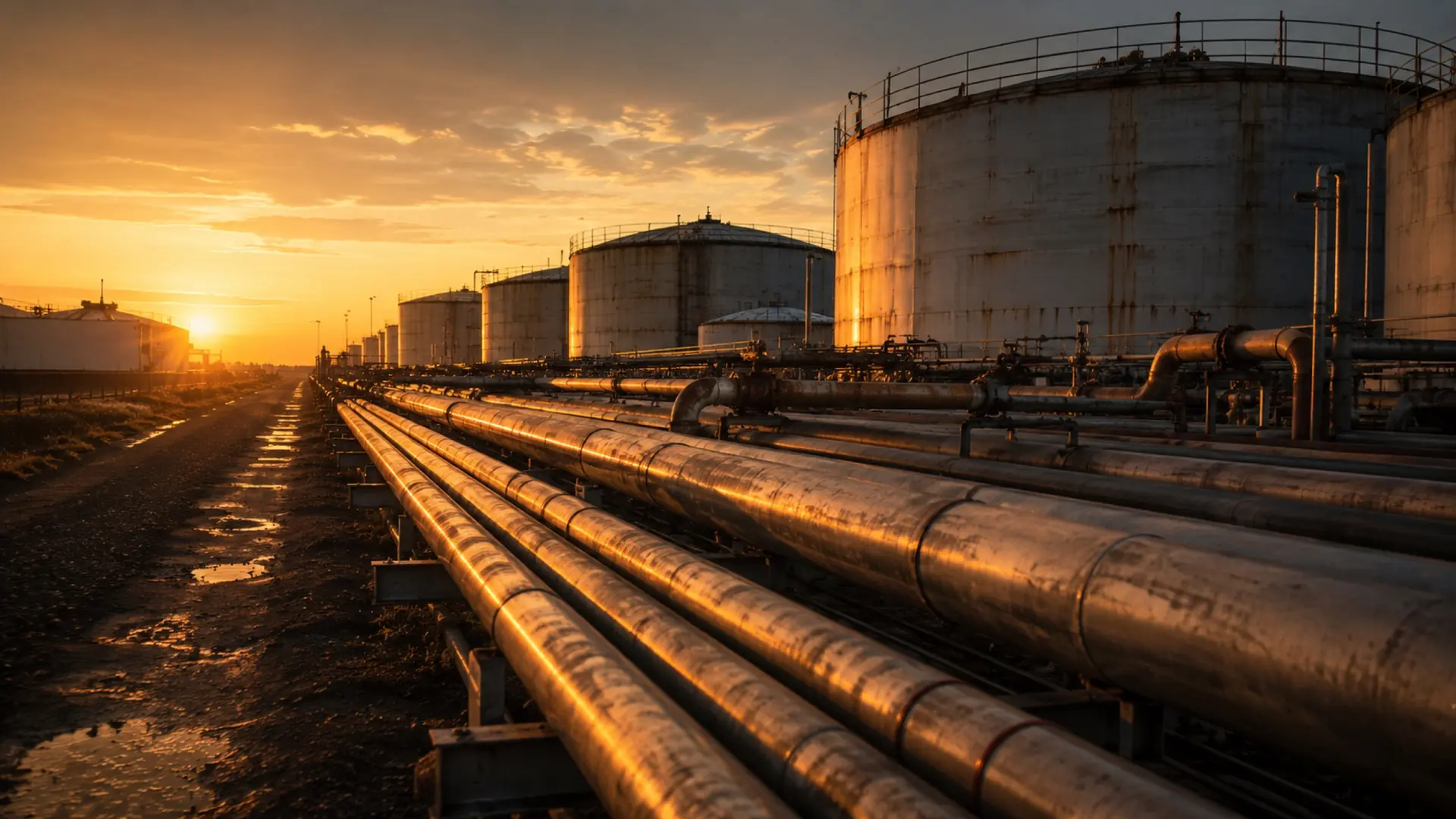
A midstream terminal operator running crude and refined-product tank farms across multiple states managed API 653 tank inspections in one set of contractor reports and lining and recoating work in another.
When a tank came out of service for a ten-year internal inspection, floor scan, and bottom lining replacement, the terminal engineer had to reconcile shell and floor thickness readings, weld repair maps, ambient dew-point logs, and dry-film thickness (DFT) spot readings from separate vendors before authorizing return to service.
Current state before intelliSPEC
- Delayed contractor databooks: Final coating and inspection databooks routinely arrived four to six weeks after the tank was back in service, delaying formal closeout.
- Unenforced hold points: Surface profile, soluble salt checks, and stripe-coat inspections were logged on paper, making it possible for a subsequent coat to be applied before the hold point was signed.
- Manual SSPC-PA 2 math: Inspectors averaged spot and gage readings by hand to verify whether each 100-square-foot area met the specified DFT window.
Configured path
The operator configured intelliINSPECT, intelliNDT, and intelliPAINT over the intelliVISION tank register, executed offline in intelliEDGE.
- API 653 shell and floor workflow: Monthly in-service external walks, five-year external inspections, and formal internal inspections ran from governed API 653 wizards, tying settlement surveys, shell course thickness, and floor MFL/UT calls to the tank record.
- Bluetooth DFT and ambient logging: Coating inspectors captured blast profile, relative humidity, steel temperature, dew-point spread, and SSPC-PA 2 spot readings via Bluetooth gauges in
. - Hard ITP hold points:
blocked the intermediate and finish coat sign-off until surface cleanliness (SSPC-SP 10 / ISO 8501-1), profile, and holiday testing (NACE SP0188) passed.
Measured outcome
- Zero-lag databook handover: The complete SSPC-PA 2 coating databook and API 653 inspection report generated from the field records the day final holiday testing was signed.
- Hold-point compliance: Every coat carried a timestamped inspector signature, environmental log, and gauge serial record, eliminating disputes over coating warranty claims.
- Fleet-wide corrosion visibility: Floor and shell corrosion rates fed the terminal's API 653 interval calculator automatically across the tank fleet.